Free U.S. shipping over $36USDA Certified OrganicMade in the USA4 ingredients. No compromises.30-day money-back guaranteeFree U.S. shipping over $36USDA Certified OrganicMade in the USA4 ingredients. No compromises.30-day money-back guaranteeFree U.S. shipping over $36USDA Certified OrganicMade in the USA4 ingredients. No compromises.30-day money-back guarantee
Home/Toxic Ingredients/Retinyl Palmitate
Ingredient analysis · Hazard 6/10

Retinyl Palmitate.

Also known as: vitamin A palmitate, retinol palmitate, preformed vitamin A

A form of vitamin A (retinol ester) used in sunscreens, anti-aging creams, and moisturizers. While vitamin A is essential for skin health, retinyl palmitate becomes problematic when applied topically and exposed to sunlight, potentially accelerating UV-induced skin damage.

Hazard score

By the numbers.

1 = low concern, 10 = avoid.

Hazard Score
6
High Concern
Frequency risk

Risk by usage.

How risk shifts depending on how often you use products with Retinyl Palmitate.

1-2x per week

Low risk when used in nighttime products away from UV exposure.

Daily use

Daily use in sunscreens or daytime products is concerning due to photocarcinogenesis risk.

2+ times daily

Significant concern in sun-exposed products. Use only in nighttime skincare if desired.

Health risks

What the research says.

When exposed to UV light, retinyl palmitate generates free radicals that may accelerate skin damage and tumor formation.

National Toxicology Program (NTP), 2012 — photocarcinogenesis study of retinyl palmitate

Can cause photosensitivity, increasing the risk of sunburn and sun damage.

High doses of vitamin A during pregnancy are teratogenic (can cause birth defects). Topical absorption adds to total vitamin A load.

Teratology, 1998 — vitamin A and birth defects

Regulations

Global status.

How retinyl palmitate is regulated in cosmetics around the world.

Restricted in 3Allowed in 6No data for 2

33% of countries with data ban or restrict this ingredient

🇺🇸USA
Allowed
🇪🇺EU
Restricted
Details

Max 0.05% retinol equivalent in face/hand creams; 0.3% in other leave-on body products; banned in lip products and sprays at higher levels per Regulation 2024/996.

🇬🇧UK
Allowed
🇨🇦Canada
Allowed
🇯🇵Japan
Allowed
🇰🇷S. Korea
Restricted
Details

Retinol derivatives limited to ~0.07% retinol equivalent.

🇦🇺Australia
Allowed
🇨🇳China
Restricted
Details

Retinol derivatives restricted with concentration limits.

🇧🇷Brazil
Allowed
🇮🇳India
No Data
🌏ASEAN
No Data
Why it’s used

The reason brands include it.

Marketed as an anti-aging ingredient that promotes cell turnover and skin renewal. Also added to sunscreens as an antioxidant.

1

products in our database

1

brands use it

3

product categories

Better alternatives exist. Brands choose retinyl palmitate because it’s cheap and effective, but safer options like bakuchiol (retinol alternative), niacinamide (vitamin B3), vitamin C (ascorbic acid) deliver similar results without the health concerns.

Categories

Retinyl Palmitate in product types.

Click a category to see every product containing retinyl palmitate.

Products Containing Retinyl Palmitate

These popular products list retinyl palmitate in their ingredient labels. Tap any card to see the full breakdown.

Found in 1 product across 1 brand
The worst offender

Compared to Numbrrrz.

Here’s how the lowest-scoring product containing retinyl palmitate compares.
View full ingredient analysis for CoverGirl Exhibitionist Lipstick
CoverGirl Exhibitionist Lipstick
CoverGirl Exhibitionist Lipstick

CoverGirl

Ingredients31
Flagged6
Safety Score4/10
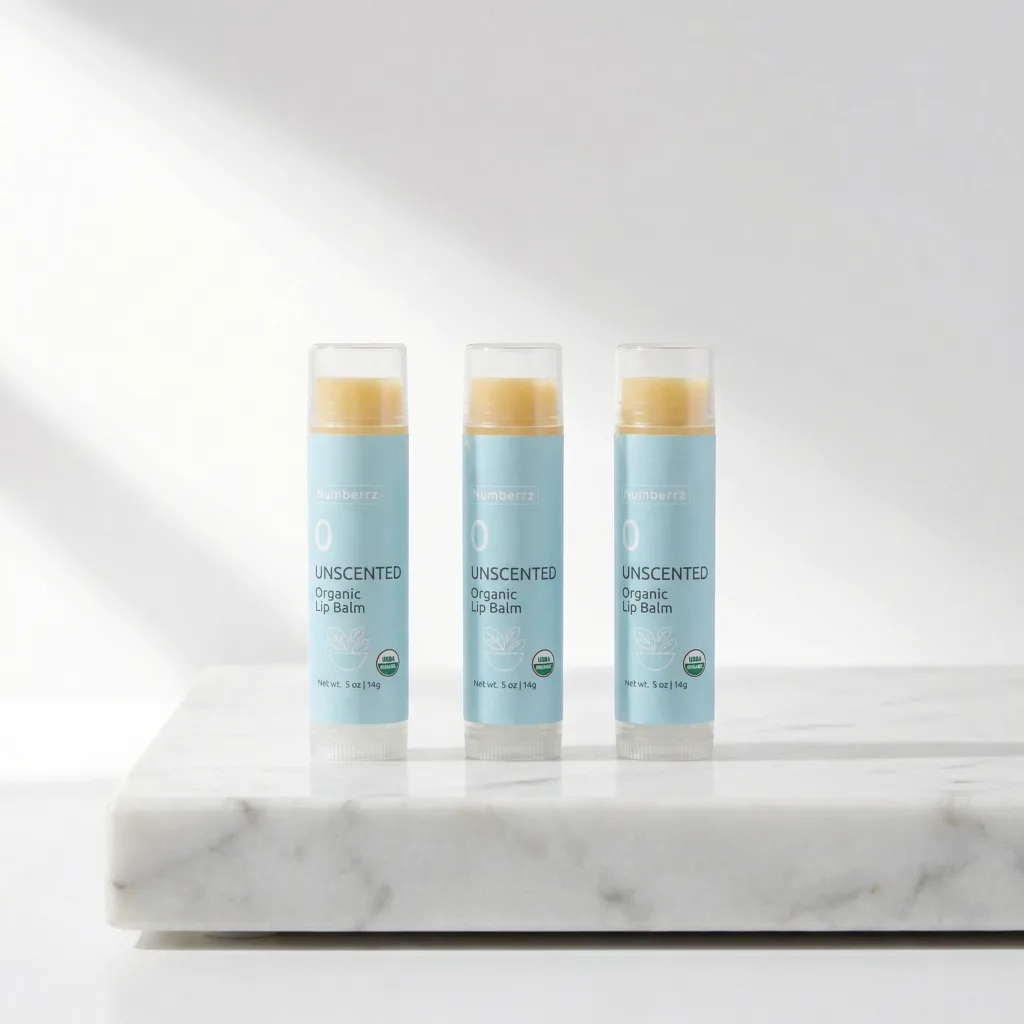
Numbrrrz Organic Lip Balm

Numbrrrz

Organic Lip Balm

Shop Numbrrrz Instead

Get Your Free Ingredient Safety Report

Enter your email and we'll send you a personalized breakdown of the most common harmful ingredients in your daily products.

Safe alternatives

What to use instead.

bakuchiol (retinol alternative)
niacinamide (vitamin B3)
vitamin C (ascorbic acid)
rosehip oil

What Numbrrrz uses instead

Numbrrrz does not use retinyl palmitate in any product. Our lip balms use Vitamin E (tocopherol) as a photostable antioxidant that does not generate free radicals under UV exposure.

Questions

Quick answers.

Is retinyl palmitate safe in sunscreen?
The NTP found that retinyl palmitate may accelerate UV-induced skin damage and tumor development when applied to sun-exposed skin. While the FDA has not acted on this data, many dermatologists recommend avoiding vitamin A in daytime sun products.
Is retinol the same as retinyl palmitate?
Both are forms of vitamin A, but they differ. Retinol is the pure alcohol form; retinyl palmitate is an ester that the skin must convert to retinol. Both share photocarcinogenesis concerns when used in sun-exposed products.
Can retinyl palmitate cause birth defects?
High doses of vitamin A during pregnancy are known to be teratogenic, meaning they can cause birth defects. While topical absorption adds a smaller amount than oral supplements, the precautionary principle suggests pregnant women should avoid retinyl palmitate in skincare products.
Why is retinyl palmitate in sunscreen if it causes sun damage?
Retinyl palmitate was originally added to sunscreens as an antioxidant and anti-aging ingredient. The NTP photocarcinogenesis study was published in 2012, well after retinyl palmitate became a standard sunscreen additive. Many manufacturers have been slow to reformulate.
Is retinyl palmitate banned anywhere?
Retinyl palmitate is not banned in any major market, but Germany's Federal Institute for Risk Assessment (BfR) has recommended limiting vitamin A in cosmetics. EWG (Environmental Working Group) specifically advises avoiding retinyl palmitate in sun-exposed products.
Does Numbrrrz use retinyl palmitate?
No. Numbrrrz does not use retinyl palmitate in any product. Our lip balms use Vitamin E (tocopherol) as their antioxidant, which is photostable and does not generate free radicals under UV exposure the way retinyl palmitate does.
Choose clean

Skip the retinyl palmitate.

Four organic ingredients. Zero toxins. The lip balm your body deserves.