DEA, MEA & TEA (Ethanolamines).
Also known as: diethanolamine, monoethanolamine, triethanolamine, cocamide DEA, lauramide DEA, TEA-lauryl sulfate
A group of amino acid-based emulsifiers and pH adjusters. Ethanolamines can react with other ingredients to form nitrosamines, which are potent carcinogens. DEA itself is also linked to organ toxicity and developmental harm.
By the numbers.
1 = low concern, 10 = avoid.
Risk by usage.
How risk shifts depending on how often you use products with DEA, MEA & TEA (Ethanolamines).
Low acute risk from a single product use.
Daily exposure increases risk of nitrosamine formation and cumulative organ toxicity.
Significant concern. Multiple ethanolamine-containing products compound carcinogenic and organ toxicity risk.
What the research says.
Can react with nitrosating agents in formulations to form nitrosamines, which are potent carcinogens.
International Journal of Toxicology, 2012 — nitrosamine formation in cosmetics
DEA is linked to liver tumors in animal studies and classified as possibly carcinogenic.
IARC Monographs — Diethanolamine evaluation
Chronic exposure may cause organ toxicity, particularly affecting the liver and kidneys.
Can cause skin irritation and sensitization, especially in products left on the skin.
Global status.
How dea, mea & tea (ethanolamines) is regulated in cosmetics around the world.
90% of countries with data ban or restrict this ingredient
Details
CIR recommends DEA should not be used with nitrosating agents; no formal FDA ban.
Details
DEA banned under Annex II; MEA and TEA permitted but must not be used with nitrosating agents.
Details
DEA banned; MEA/TEA restricted re nitrosamine formation.
Details
DEA restricted on Hotlist; must not be used with nitrosating agents.
Details
DEA restricted; must not form nitrosamines.
Details
DEA restricted; secondary amine limits to prevent nitrosamines.
Details
DEA restricted; must not combine with nitrosating systems.
Details
DEA restricted to prevent nitrosamine formation per ANVISA.
Details
DEA banned; MEA/TEA restricted re nitrosamines, aligned with EU.
The reason brands include it.
Act as emulsifiers, foaming agents, and pH adjusters. They create creamy textures and help blend oil and water phases in formulations.
1
products in our database
1
brands use it
3
product categories
Better alternatives exist. Brands choose dea, mea & tea (ethanolamines) because it’s cheap and effective, but safer options like decyl glucoside, coco glucoside, sodium cocoyl glutamate deliver similar results without the health concerns.
DEA, MEA & TEA (Ethanolamines) in product types.
Click a category to see every product containing dea, mea & tea (ethanolamines).
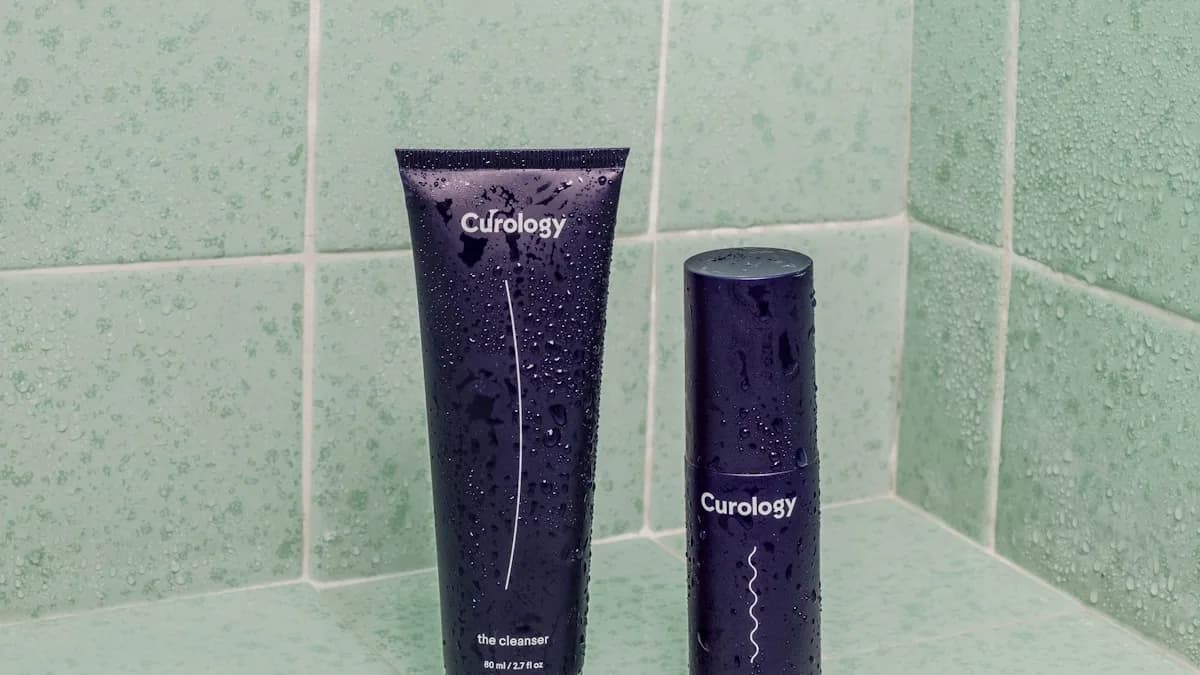
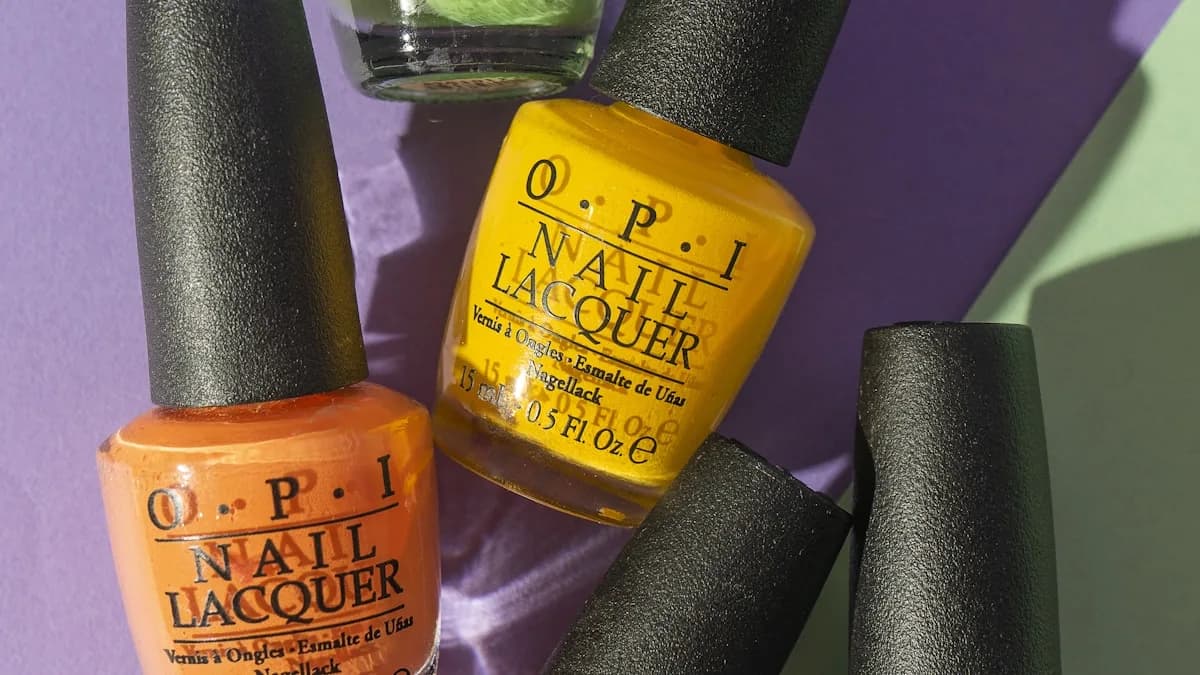

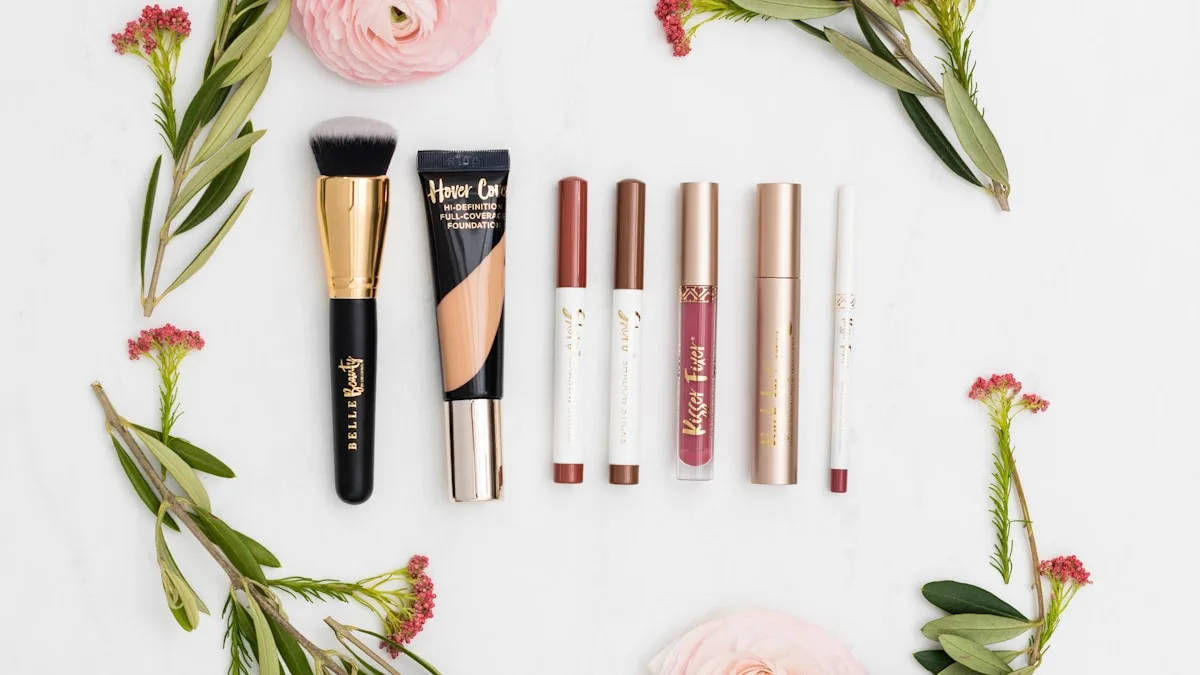
Products Containing DEA, MEA & TEA (Ethanolamines)
These popular products list dea, mea & tea (ethanolamines) in their ingredient labels. Tap any card to see the full breakdown.
Compared to Numbrrrz.
Here’s how the lowest-scoring product containing dea, mea & tea (ethanolamines) compares.
Blistex Medicated Lip Ointment
Blistex
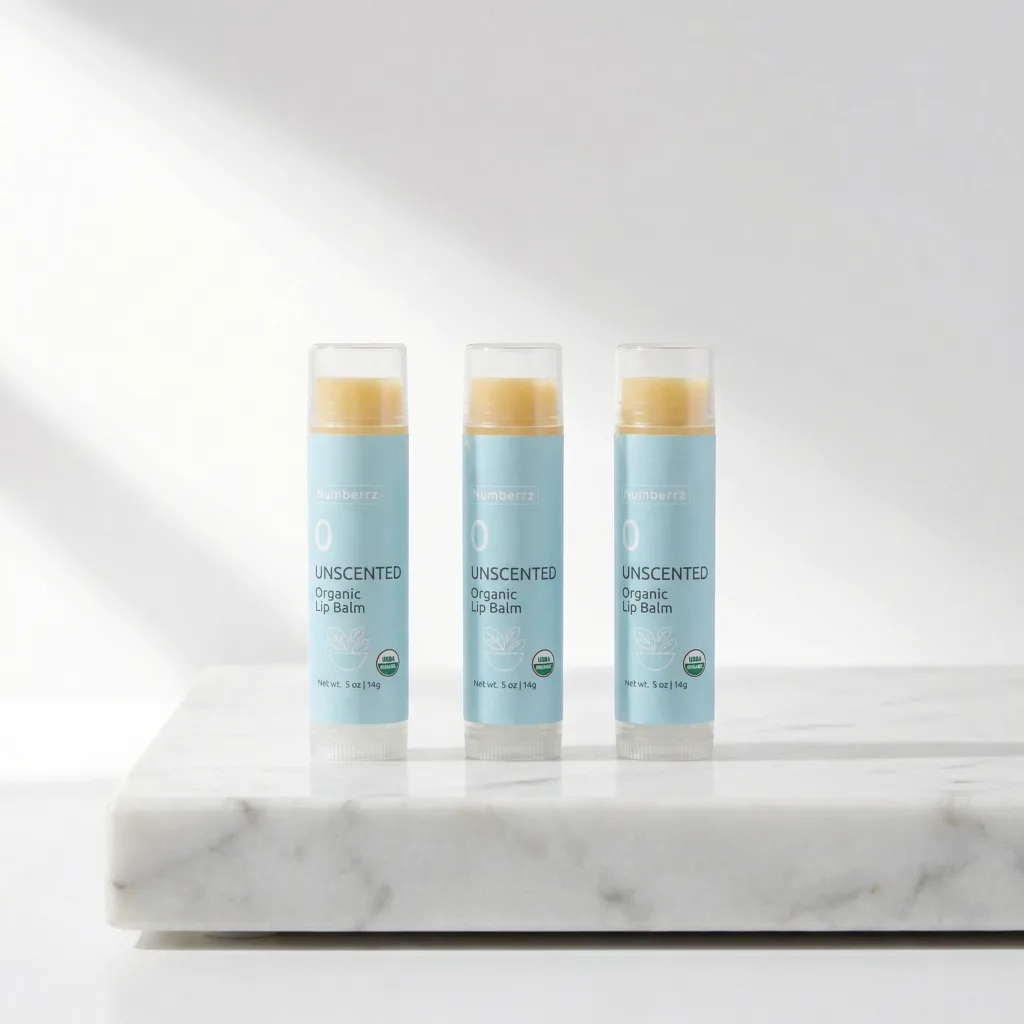
Numbrrrz
Organic Lip Balm
Get Your Free Ingredient Safety Report
Enter your email and we'll send you a personalized breakdown of the most common harmful ingredients in your daily products.
What to use instead.
What Numbrrrz uses instead
Numbrrrz formulations are ethanolamine-free. Our simple oil-and-wax formula requires no synthetic emulsifiers or pH adjusters.
Quick answers.
What are nitrosamines and why are they dangerous?
How can I avoid ethanolamines in my products?
Is DEA banned in Europe?
Can DEA cause cancer?
What are other names for ethanolamines on labels?
Does Numbrrrz use DEA, MEA, or TEA?
How these brands stack up.
Brands that use dea, mea & tea (ethanolamines) — see how they compare.