Free U.S. shipping over $36USDA Certified OrganicMade in the USA4 ingredients. No compromises.30-day money-back guaranteeFree U.S. shipping over $36USDA Certified OrganicMade in the USA4 ingredients. No compromises.30-day money-back guaranteeFree U.S. shipping over $36USDA Certified OrganicMade in the USA4 ingredients. No compromises.30-day money-back guarantee
Home/Brand Safety/Maybelline
Brand safety report

Maybelline.

Ingredient safety analysis based on 5 products in our database.

Safety Score

3.4/10

Products

5

Flagged Ingredients

12

The report

Full breakdown.

Maybelline

New York, New YorkFounded 1915
Safety Score3.4/10Poor

Maybelline was founded in 1915 by Thomas Lyle Williams, who created the brand's first product — a mascara inspired by his sister Mabel's beauty routine. The brand was acquired by L'Oréal in 1996 and is now one of the world's largest cosmetics companies. Maybelline's lip product line includes lipsticks, glosses, and lip liners sold at mass-market price points. Many Maybelline lip products contain synthetic dyes like D&C Red 6, D&C Red 7, and FD&C Red 40, along with petroleum-derived ingredients, BHT, and synthetic fragrances. As one of the most purchased cosmetics brands globally, Maybelline's ingredient choices expose an enormous consumer base to these chemicals on a daily basis.

Products Analyzed

Maybelline SuperStay Matte Ink4/10
Maybelline Color Sensational3/10
Maybelline Lifter Gloss5/10
Maybelline Baby Lips2/10
Maybelline SuperStay Vinyl Ink3/10

Flagged Ingredients Found

synthetic fragrance(in 5 products)artificial colors(in 5 products)dimethicone(in 4 products)phenoxyethanol(in 2 products)paraffin wax(in 2 products)petroleum petrolatum(in 2 products)polybutene(in 2 products)polyethylene glycol(in 2 products)lanolinoctinoxateoctisalatebht
Compare with Numbrrrz

Who Owns Maybelline?

Big Corp Subsidiary

Parent Company

L'Oreal(OR.PA)

Parent Industry

Beauty & Cosmetics

Parent Revenue

Approximately $42 billion (2024)

Acquired

1996

Also Makes

L'Oreal ParisLancomeNYXCeraVeLa Roche-PosayKiehl's

L'Oreal acquired Maybelline in 1996. L'Oreal is the world's largest beauty company, owning over 35 brands across mass-market, luxury, professional, and active cosmetics divisions.

Corporate ownership does not automatically mean a product is unsafe. It means ingredient and sourcing decisions are influenced by a parent company whose primary business is beauty & cosmetics. Consumers deserve to know who profits from their purchases.

The line

Products by Maybelline.

View full ingredient analysis →
Maybelline SuperStay Matte Ink

Maybelline SuperStay Matte Ink
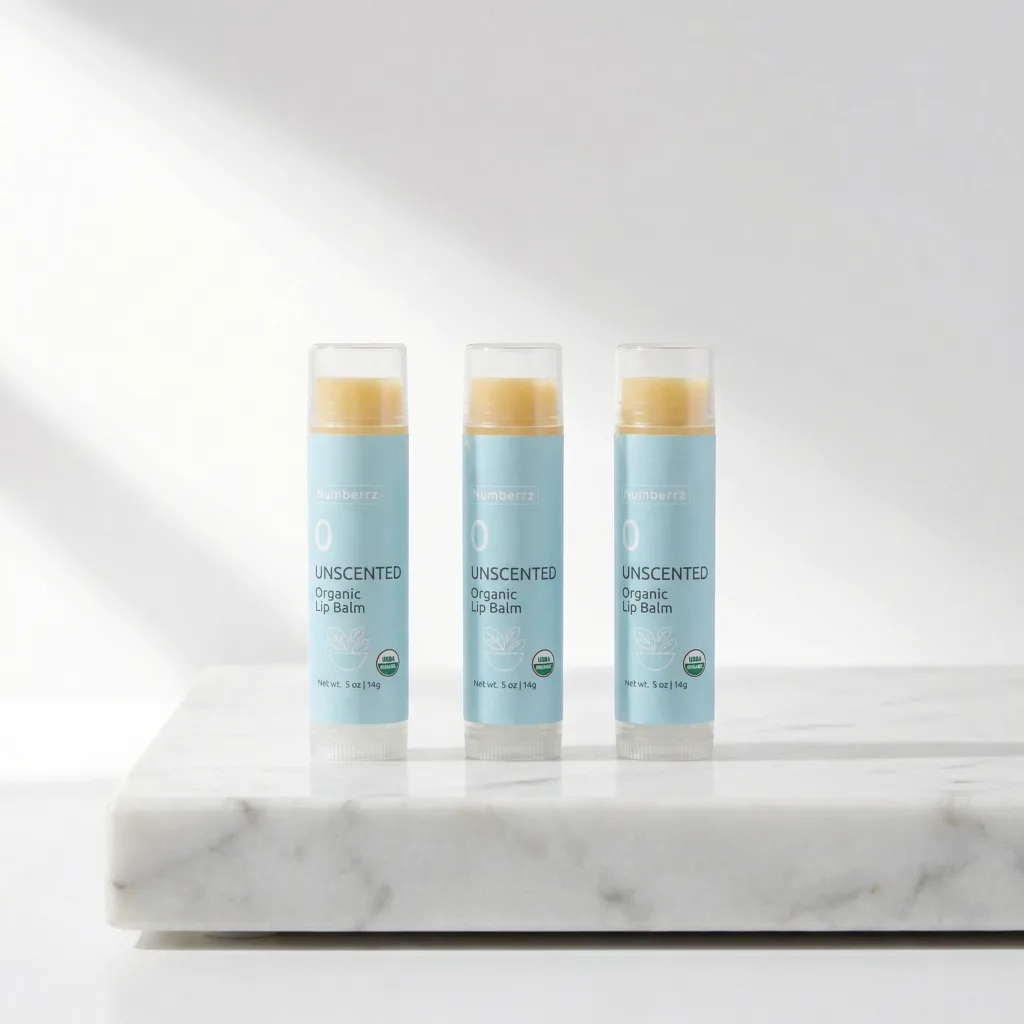
Maybelline

Ingredients30
Flagged5
Safety Score4/10
Numbrrrz Organic Lip Balm

Numbrrrz

Organic Lip Balm

Shop Numbrrrz Instead
View full ingredient analysis →
Maybelline Color Sensational

Maybelline Color Sensational

Maybelline

Ingredients28
Flagged6
Safety Score3/10
Numbrrrz Organic Lip Balm

Numbrrrz

Organic Lip Balm

Shop Numbrrrz Instead
View full ingredient analysis →
Maybelline Lifter Gloss

Maybelline Lifter Gloss

Maybelline

Ingredients26
Flagged4
Safety Score5/10
Numbrrrz Organic Lip Balm

Numbrrrz

Organic Lip Balm

Shop Numbrrrz Instead
View full ingredient analysis →
Maybelline Baby Lips

Maybelline Baby Lips

Maybelline

Ingredients27
Flagged8
Safety Score2/10
Numbrrrz Organic Lip Balm

Numbrrrz

Organic Lip Balm

Shop Numbrrrz Instead
View full ingredient analysis →
Maybelline SuperStay Vinyl Ink

Maybelline SuperStay Vinyl Ink

Maybelline

Ingredients14
Flagged5
Safety Score3/10
Numbrrrz Organic Lip Balm

Numbrrrz

Organic Lip Balm

Shop Numbrrrz Instead

Get Your Free Ingredient Safety Report

Enter your email and we'll send you a personalized breakdown of the most common harmful ingredients in your daily products.

Flagged

Ingredients of concern.

12 different ingredients of concern across Maybelline’s product line. Each links to a full safety analysis.

7

Synthetic Fragrance

An umbrella term that can hide hundreds of undisclosed chemicals. Under US law, companies are not required to list individual fragrance components, which may include phthalates, musks, allergens, and sensitizers.

In 5 of 5 Maybelline products
Hormone Disruptor
7

Petroleum / Petrolatum

A semi-solid mixture of hydrocarbons derived from petroleum refining. Widely used as a moisture barrier in lip balms, lotions, and ointments. When inadequately refined, it can be contaminated with polycyclic aromatic hydrocarbons (PAHs), which are linked to cancer.

In 2 of 5 Maybelline products
Carcinogen Linked
7

Octinoxate

A chemical UV filter used in sunscreens and SPF cosmetics. It absorbs UVB radiation and is one of the most common sunscreen ingredients worldwide. Like oxybenzone, it is an endocrine disruptor and harmful to coral reefs.

In 1 of 5 Maybelline products
Hormone Disruptor
6

Artificial Colors

Synthetic dyes derived from petroleum or coal tar, used to give cosmetics vivid colors. Many are contaminated with heavy metals and have been linked to behavioral issues, allergies, and potential carcinogenicity.

In 5 of 5 Maybelline products
6

Polyethylene Glycol (PEG Compounds)

A family of petroleum-derived compounds used as emulsifiers, thickeners, solvents, and penetration enhancers. PEGs themselves are relatively low-toxicity, but they are frequently contaminated with ethylene oxide (a known carcinogen) and 1,4-dioxane.

In 2 of 5 Maybelline products
5

Paraffin Wax

A white or colorless soft solid wax derived from petroleum, coal, or oil shale. Commonly used in lip balms, lipsticks, and candles to add structure and a smooth texture.

In 2 of 5 Maybelline products
5

Octisalate

A chemical UV filter that absorbs UVB radiation and is commonly used as a secondary sunscreen agent to boost SPF values. Octisalate also acts as a solvent for other UV filters like avobenzone.

In 1 of 5 Maybelline products
Hormone Disruptor
5

BHT (Butylated Hydroxytoluene)

A synthetic antioxidant closely related to BHA, used to prevent oxidation in cosmetics and food. Less studied than BHA but shares some endocrine disruption concerns.

In 1 of 5 Maybelline products
Hormone Disruptor
4

Dimethicone

A silicone-based polymer widely used in cosmetics and skincare for its smoothing, water-repellent properties. Not toxic in itself, but creates a synthetic barrier that can trap impurities, clog pores, and is not biodegradable.

In 4 of 5 Maybelline products
4

Phenoxyethanol

A glycol ether used as a preservative in cosmetics, often marketed as a 'safer' alternative to parabens. At regulated concentrations (up to 1%), it is generally well tolerated, but higher concentrations can cause irritation and are toxic to infants.

In 2 of 5 Maybelline products
4

Lanolin

A natural waxy substance secreted by the sebaceous glands of sheep to waterproof their wool. Lanolin is an excellent emollient used in lip balms, nipple creams, and moisturizers, but it is a common allergen and may contain pesticide residues from sheep dipping.

In 1 of 5 Maybelline products
3

Polybutene

A synthetic polymer derived from petroleum, used as a thickener, binder, and viscosity-increasing agent in lip glosses, lipsticks, and other cosmetics. Polybutene has low direct toxicity but is a petroleum-derived synthetic with environmental persistence concerns.

In 2 of 5 Maybelline products
Questions

Quick answers.

Who owns Maybelline?
Maybelline has been owned by L'Oréal, the French multinational cosmetics corporation, since 1996. L'Oréal is the world's largest beauty company and also owns brands like Lancôme, Urban Decay, NYX, and La Roche-Posay. Maybelline operates as L'Oréal's flagship mass-market makeup brand.
Do Maybelline lipsticks contain lead?
FDA testing has found detectable levels of lead in many commercially available lipsticks, including those from major brands like Maybelline. Lead is not intentionally added but appears as a contaminant in color additives. While the FDA has stated these trace levels are safe, toxicologists note that lead is a cumulative neurotoxin with no known safe threshold of exposure.
What synthetic dyes does Maybelline use?
Maybelline lipsticks and glosses commonly contain synthetic dyes including D&C Red 6, D&C Red 7, FD&C Red 40, D&C Red 22, and various lake pigments. These are petroleum-derived colorants that provide vibrant, stable color. Some of these dyes are restricted or banned in certain applications in the European Union but remain legal for cosmetic use in the United States.
A cleaner alternative

10/10 safety, 4 ingredients.

Numbrrrz lip balm with only organic, food-grade ingredients.