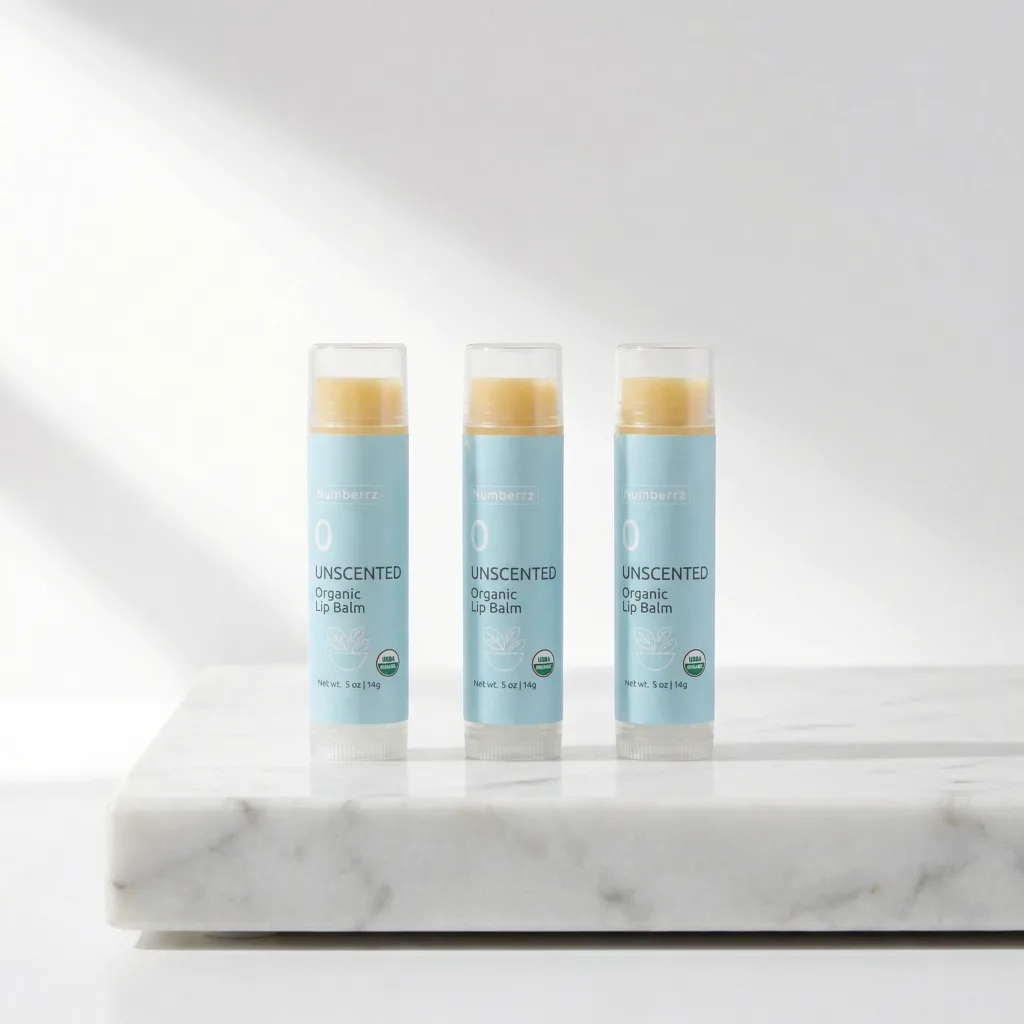
Free U.S. shipping over $36USDA Certified OrganicMade in the USA4 ingredients. No compromises.30-day money-back guaranteeFree U.S. shipping over $36USDA Certified OrganicMade in the USA4 ingredients. No compromises.30-day money-back guaranteeFree U.S. shipping over $36USDA Certified OrganicMade in the USA4 ingredients. No compromises.30-day money-back guarantee
Ingredient analysis · Hazard 3/10

Polybutene.

Also known as: polyisobutene, hydrogenated polyisobutene, polybutylene, indopol

A synthetic polymer derived from petroleum, used as a thickener, binder, and viscosity-increasing agent in lip glosses, lipsticks, and other cosmetics. Polybutene has low direct toxicity but is a petroleum-derived synthetic with environmental persistence concerns.

Hazard score

By the numbers.

1 = low concern, 10 = avoid.

Hazard Score
3
Low Concern
Frequency risk

Risk by usage.

How risk shifts depending on how often you use products with Polybutene.

1-2x per week

Minimal health concern from occasional use.

Daily use

Low health risk. Environmental persistence and petroleum derivation are the primary concerns.

2+ times daily

Low health risk even at high usage. Consider plant-based alternatives for environmental reasons.

Health risks

What the research says.

Low direct toxicity. Generally considered safe for topical and incidental oral exposure at cosmetic concentrations.

Petroleum-derived synthetic polymer that is not biodegradable and persists in the environment.

Regulations

Global status.

How polybutene is regulated in cosmetics around the world.

Allowed in 11
🇺🇸USA
Allowed
🇪🇺EU
Allowed
🇬🇧UK
Allowed
🇨🇦Canada
Allowed
🇯🇵Japan
Allowed
🇰🇷S. Korea
Allowed
🇦🇺Australia
Allowed
🇨🇳China
Allowed
🇧🇷Brazil
Allowed
🇮🇳India
Allowed
🌏ASEAN
Allowed
Why it’s used

The reason brands include it.

Creates the thick, glossy, non-sticky texture characteristic of modern lip glosses. Excellent at providing shine and viscosity at low cost.

18

products in our database

11

brands use it

3

product categories

Better alternatives exist. Brands choose polybutene because it’s cheap and effective, but safer options like castor oil (for gloss and viscosity), plant-derived polyglyceryl esters, candelilla wax deliver similar results without the health concerns.

Categories

Polybutene in product types.

Click a category to see every product containing polybutene.
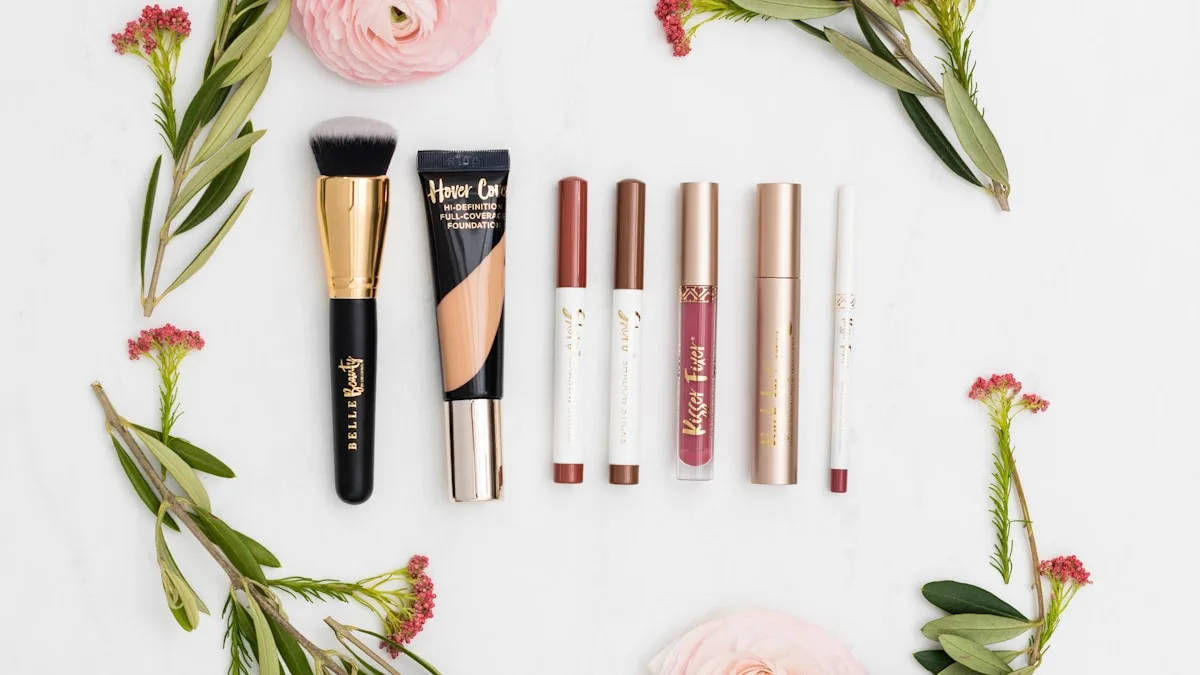
Products Containing Polybutene

These popular products list polybutene in their ingredient labels. Tap any card to see the full breakdown.
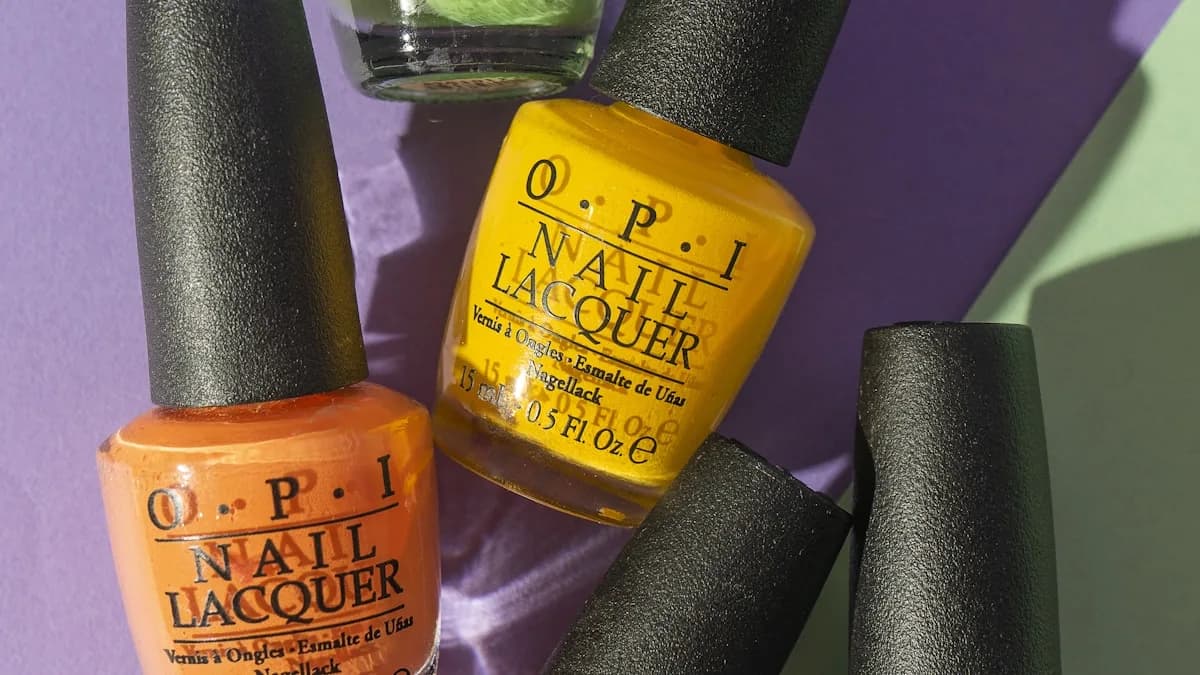
Found in 18 products across 11 brands

And 6 more products in our database.

The worst offender

Compared to Numbrrrz.

Here’s how the lowest-scoring product containing polybutene compares.

View full ingredient analysis for Maybelline Baby Lips
Maybelline Baby Lips

Maybelline Baby Lips

Maybelline

Ingredients27
Flagged8
Safety Score2/10
Numbrrrz Organic Lip Balm

Numbrrrz

Organic Lip Balm

Shop Numbrrrz Instead

Get Your Free Ingredient Safety Report

Enter your email and we'll send you a personalized breakdown of the most common harmful ingredients in your daily products.

Safe alternatives

What to use instead.

castor oil (for gloss and viscosity)
plant-derived polyglyceryl esters
candelilla wax
sunflower wax
jojoba oil

What Numbrrrz uses instead

Numbrrrz lip balms achieve a smooth, glossy finish with Organic Coconut Oil, Organic Jojoba Oil, and Organic Beeswax — no petroleum-derived polymers like polybutene needed.

Questions

Quick answers.

Is polybutene in lip gloss safe?
Polybutene has low direct toxicity and is generally considered safe for cosmetic use, including lip products. The main concerns are its petroleum origin and environmental persistence rather than direct health effects.
Why is polybutene in almost every lip gloss?
Polybutene creates the thick, glossy, non-sticky texture that defines modern lip glosses. It is inexpensive and provides excellent shine and viscosity. Plant-based alternatives like castor oil can achieve similar results.
Is polybutene the same as plastic?
Polybutene is a synthetic polymer (a type of plastic) derived from petroleum, but in cosmetics it is used in liquid form as a viscosity agent, not as a solid plastic. It is, however, not biodegradable and contributes to synthetic chemical pollution.
Is polybutene biodegradable?
No. Polybutene is a petroleum-derived synthetic polymer that does not biodegrade in the environment. When washed off or discarded, it persists in waterways and soil indefinitely, contributing to the growing problem of synthetic chemical pollution.
What lip glosses don't use polybutene?
Look for lip glosses that use castor oil, plant-derived polyglyceryl esters, or jojoba oil as their primary viscosity agents instead of polybutene. Numbrrrz achieves a smooth, glossy finish with Organic Coconut Oil, Organic Jojoba Oil, and Organic Beeswax.
Does Numbrrrz use polybutene?
No. Numbrrrz lip balms are made with Organic Coconut Oil, Organic Jojoba Oil, Organic Beeswax, and Vitamin E — no petroleum-derived polymers like polybutene. Our beeswax provides natural structure and our organic oils deliver a smooth finish.
Related comparisons

How these brands stack up.

Brands that use polybutene — see how they compare.

Choose clean

Skip the polybutene.

Four organic ingredients. Zero toxins. The lip balm your body deserves.