Phenol.
Also known as: carbolic acid, hydroxybenzene, phenic acid, phenyl alcohol
A caustic organic compound used in some lip products as an exfoliant and antiseptic. It chemically exfoliates the outer layer of lip skin, creating temporary smoothness but causing irritation and dependency.
By the numbers.
1 = low concern, 10 = avoid.
Risk by usage.
How risk shifts depending on how often you use products with Phenol.
Minor exfoliation; lips can recover between uses.
Prevents lip skin from regenerating normally. Chronic irritation likely.
Severely damaging. Continuous chemical exfoliation and ingestion risk. Avoid completely.
What the research says.
Chemically burns and strips the outer protective layer of lip skin, leading to chronic dryness.
Toxic if ingested; can cause nausea, organ damage, and systemic toxicity at higher doses.
Agency for Toxic Substances and Disease Registry (ATSDR) toxicological profile for phenol
Creates severe lip balm dependency — lips cannot heal properly when repeatedly exposed.
Global status.
How phenol is regulated in cosmetics around the world.
91% of countries with data ban or restrict this ingredient
Details
Max 1.0% in soaps/shampoos under Annex III; banned in children's products under 3 and mucous membrane products.
Details
Mirrors EU Annex III restrictions.
Details
Hotlist restricts concentration and product types.
Details
Permitted with limits under MHLW positive list.
Details
Permitted with concentration limits.
Details
Scheduled substance with concentration-dependent restrictions.
Details
Permitted with limits per Safety Technical Standards.
Details
Permitted with limits per ANVISA.
Details
Restricted under drug/cosmetics rules with limits.
Details
Restricted with limits, harmonized with EU.
The reason brands include it.
Acts as an exfoliant that removes dead skin cells from the lip surface, giving a temporarily smooth appearance. Also has antiseptic properties.
5
products in our database
2
brands use it
1
product categories
Better alternatives exist. Brands choose phenol because it’s cheap and effective, but safer options like jojoba oil, sugar-based lip scrubs (occasional use), shea butter deliver similar results without the health concerns.
Phenol in product types.
Click a category to see every product containing phenol.
Products Containing Phenol
These popular products list phenol in their ingredient labels. Tap any card to see the full breakdown.
Compared to Numbrrrz.
Here’s how the lowest-scoring product containing phenol compares.
Carmex Cherry Lip Balm
Carmex
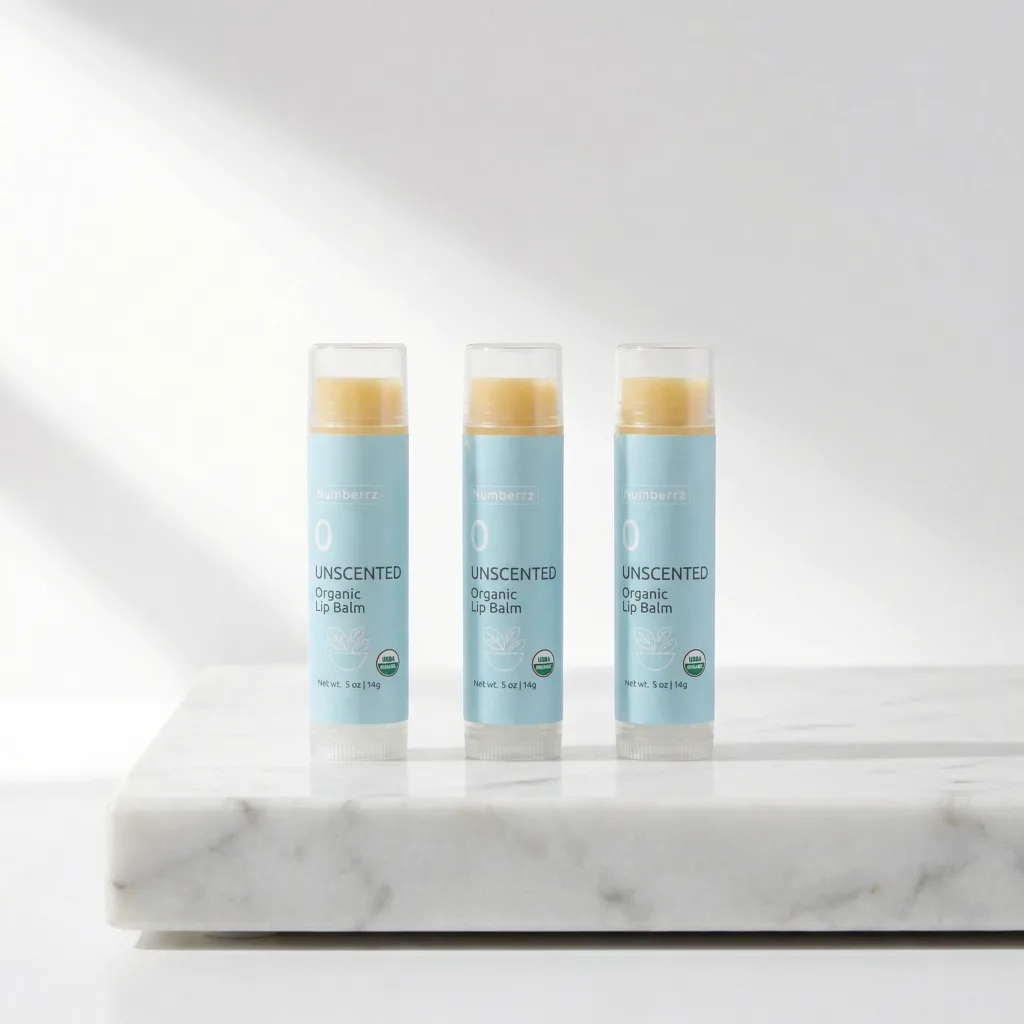
Numbrrrz
Organic Lip Balm
Get Your Free Ingredient Safety Report
Enter your email and we'll send you a personalized breakdown of the most common harmful ingredients in your daily products.
What to use instead.
What Numbrrrz uses instead
Numbrrrz lip products nourish rather than exfoliate. Our formulas support the lip barrier instead of stripping it.
Quick answers.
Why is phenol in lip balm?
Is phenol in lip products dangerous?
Is phenol toxic?
Does phenol cause lip balm addiction?
What are other names for phenol on labels?
Does Numbrrrz contain phenol?
How these brands stack up.
Brands that use phenol — see how they compare.